Fall Colony Management: Combining Weak Hives and Feeding for Winter
| HiveBloom
September and October are decision months (March and April if you keep bees in the Southern Hemisphere). The bees you see now are largely the bees that will overwinter, and the choices you make in the next few weeks determine what you find come spring. Two of the most important: knowing when to combine a struggling colony instead of trying to nurse it along, and making sure every colony has enough food to last through winter.
Assessing Colony Strength
Before you decide anything, you need an honest read on what you have.
Open each hive and count frames of bees. A frame covered on both sides counts as one frame of bees. You’re looking for:
- Strong (8+ frames): Good candidate for winter. Finish feeding and close up.
- Moderate (5-7 frames): Borderline. If the queen is laying well and there’s a brood nest, it may build up. Watch it closely.
- Weak (fewer than 5 frames): Serious concern. A small cluster cannot generate enough heat to survive a cold winter. Action required.
Also note your honey stores. A deep frame holds roughly 6-8 lbs of honey. A medium frame holds 4-5 lbs. A colony in a cold climate needs 80-100 lbs to make it through winter without supplemental feeding.

If you’re tracking inspections in HiveBloom, colony strength ratings from your last few visits will show you the trend, not just a snapshot.
One thing to settle before any of this: mites. A colony can be weak in fall because varroa got ahead of it, and combining or feeding won’t fix that. If you haven’t done a recent mite count, do one now and treat if the number calls for it. And never combine a colony you suspect is diseased into a healthy one.
When to Combine vs. When to Save
The honest answer is that most beekeepers wait too long to combine. It’s tempting to add a frame of brood, feed heavily, and hope a weak colony pulls through. Sometimes it works. More often, you end up going into November with two weak colonies instead of one strong one.
Combine when:
- The colony has fewer than 4-5 frames of bees with no sign of growth
- The colony is queenright but the queen is old or has a spotty pattern
- You’re in mid-October or later and there’s no time for a real population rebound
Try to save when:
- The colony is weak because of a recent queen issue but has a freshly mated queen laying well
- You’re in early September and there’s still time to raise winter bees
- A frame or two of capped brood from a stronger hive could genuinely move the needle
If you’re on the fence in early October, lean toward combining. A small colony that “almost makes it” is still a dead colony in February.
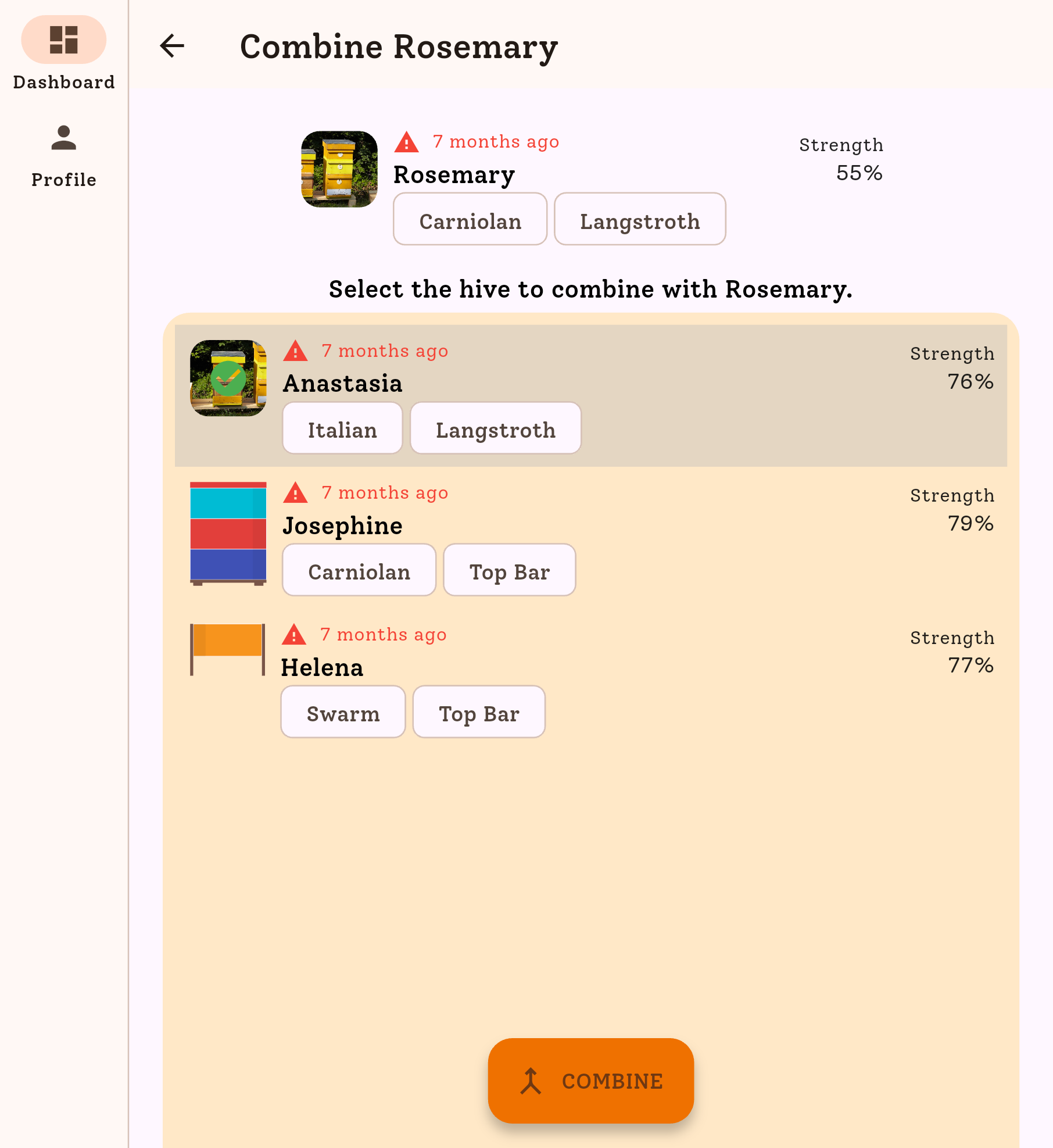
Which Queen to Keep
This is the most important part of any combine. Keep the better queen, full stop.
Look at both queens if you can find them. The stronger colony’s queen isn’t automatically the winner. If your weak colony has a young, productive queen and the stronger hive has an older one, put the older queen down and use the younger one.
Signs of a good queen: solid, dense brood pattern with few missed cells, eggs visible in the center frames, consistent laying even in fall when colonies naturally contract.
Once you’ve decided, find and remove the queen you’re not keeping before you combine. The newspaper does the rest of the work of preventing fighting.
The Newspaper Method, Step by Step
The newspaper method works by slowing the merge long enough for the colonies to get used to each other’s scent.
- Remove the top cover and inner cover from the stronger hive (this will be the bottom box in the combine).
- Lay a single sheet of newspaper over the top bars. Use a hive tool to poke 5-10 small holes through it.
- Place the box from the weaker colony directly on top. By now only one of the two boxes should have a queen.
- Replace the inner cover and outer cover as normal.
- Leave them alone for at least 3-5 days.
The bees will chew through the newspaper gradually, mixing and adjusting as they go. By the time they break through, they’ve had enough time to share scent through the paper and the merge is usually peaceful.
When you check back, remove any shredded newspaper scraps and consolidate frames. Pull out empty or mostly empty frames and put your best frames together in the center.
Fall Feeding: 2:1 Syrup
Once your colonies are set up for winter, any that are short on stores need to be fed.
Use 2:1 sugar syrup by weight (2 lbs sugar to 1 lb water). This is thicker than the 1:1 spring syrup and closer to honey in sugar content, so bees can store it more easily and there’s less water to evaporate and cap.
A colony short on stores by 20-30 lbs needs a significant volume of syrup. At 2:1 concentration, that’s very roughly 1 gallon of syrup for every 8-10 lbs of stores you want them to have, and the actual conversion varies. Feed generously and check frame weight as you go.
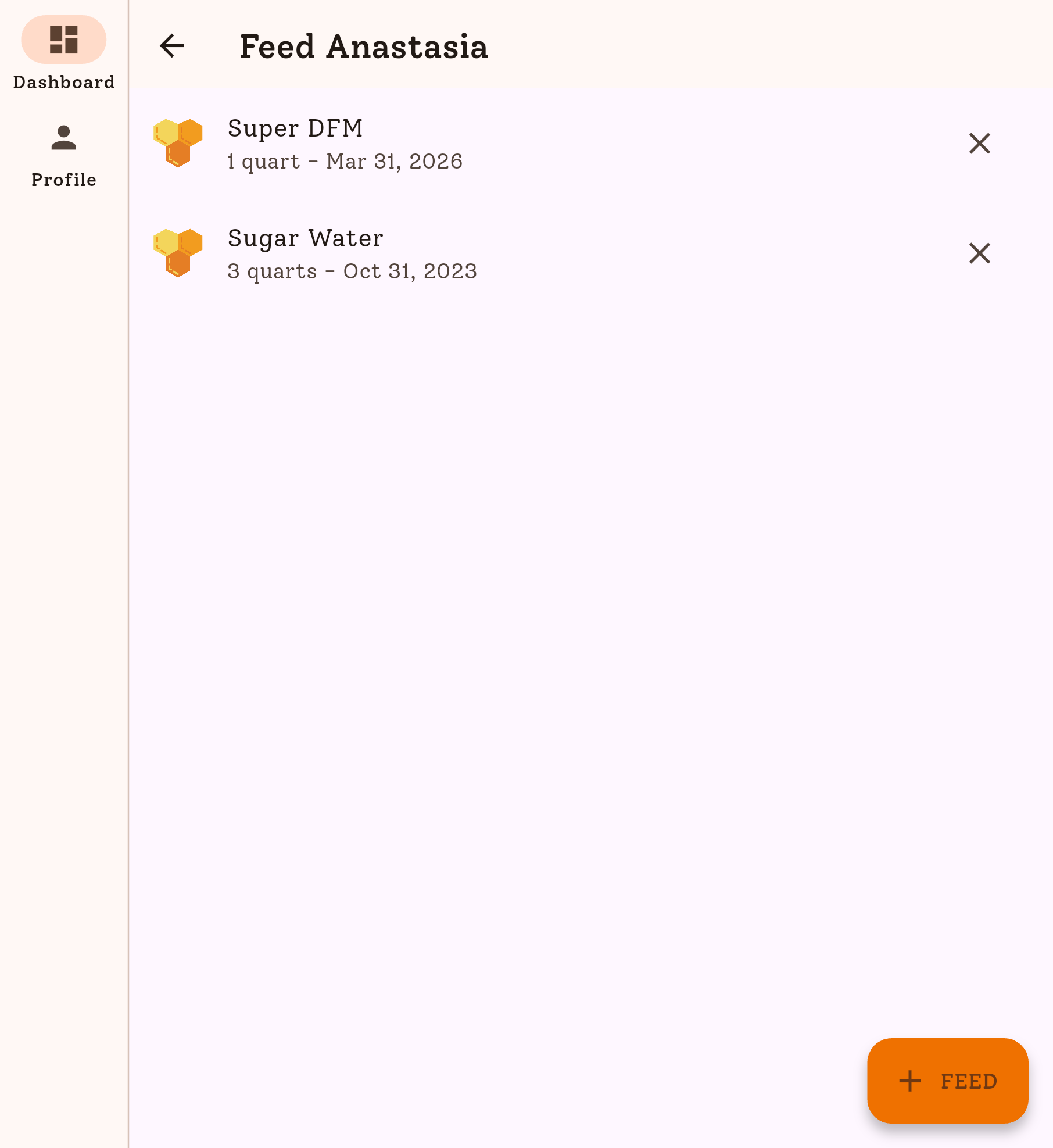
Use a large top feeder or hive-top feeder if you can. You want to move a lot of syrup quickly, and small entrance feeders slow the process down when time matters.
When to Stop Feeding
Once daytime temperatures are consistently in the mid-50s or below, bees struggle to process liquid syrup. They can take it in but may not fully cure and cap it before cold sets in, leading to fermentation or excess moisture in the hive.
As a rough rule: stop syrup feeding when you’re consistently below 55-60°F during the day. That’s often sometime in October in the northern US and later farther south. If you’re in a warm climate, you have more flexibility.
If a colony is still short after you’ve stopped syrup feeding, switch to a dry sugar board or fondant placed directly over the frames. Bees can access it even when the cluster is tight and cold.
Recording It All
The data you collect now is worth more than you might think. Which colonies made it? Which ones you combined and from what? How much you fed and when? What the population looked like going in?
Log your fall inspections and feeding sessions in HiveBloom so you have a baseline to compare against your first spring inspection. Over a few seasons, you’ll start to see which combinations of queen genetics, fall population, and store levels actually predict survival in your specific location.
When you open your hives in spring, the notes you made in fall are what turn experience into knowledge. For the rest of the fall checklist (mouse guards, moisture, windbreaks), see our guide to preparing your hives for winter.
HiveBloom is free for up to two hives, on iOS, Android, and the web.